

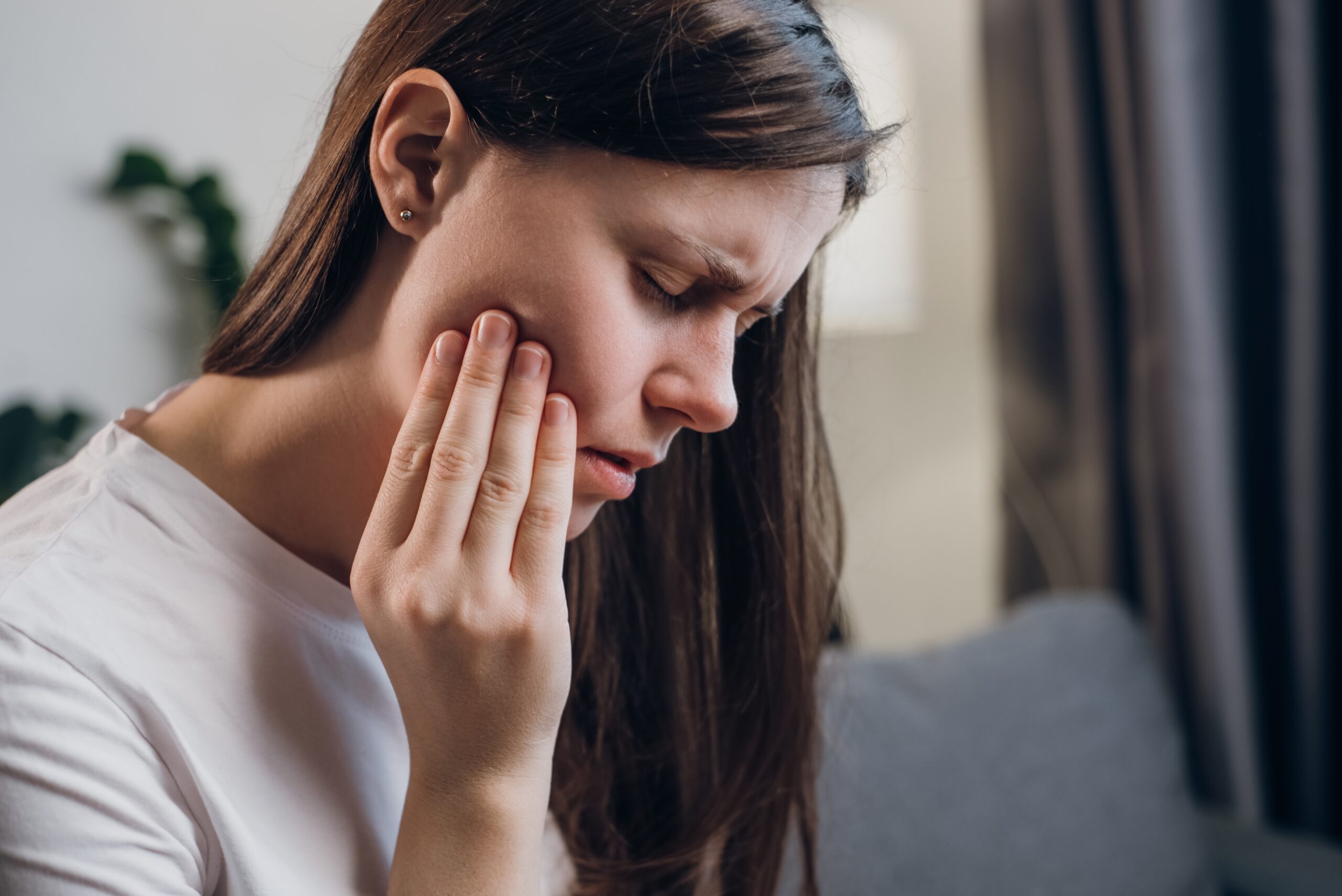
 Do you often wake up tired, struggle with snoring, or notice your teeth shifting out of place? The root cause might be something you have never heard of: an Orofacial Myofunctional Disorder (OMD). These conditions involve abnormal movement patterns of the face and mouth muscles. While they might sound complex, OMDs are highly treatable when you have the right team on your side.
Understanding how muscle function impacts your teeth and breathing is the first step toward better health. In this post, we will explore how OMDs affect your bite, their surprising link to sleep issues, and how expert care from professionals like Karen E. Williamson, DDS, PA, can help you find lasting relief.
What Are Orofacial Myofunctional Disorders?
An Orofacial Myofunctional Disorder occurs when the muscles of the lips, jaw, or tongue do not function properly. This can happen during swallowing, chewing, or even while you rest. Often, the tongue rests too far forward or pushes against the teeth. Over time, this constant pressure creates significant changes in how your mouth grows and functions.
The Impact on Your Smile: Malocclusion
Your teeth need a delicate balance of muscle pressure from your cheeks, lips, and tongue to stay straight. When an OMD disrupts this balance, it frequently leads to an abnormal bite, known as malocclusion.
When the tongue constantly pushes against the back of the front teeth, it can force them outward. This improper alignment makes chewing difficult, increases the risk of tooth decay, and can even cause jaw pain. Correcting the alignment of your teeth requires addressing the underlying muscle dysfunction so your smile stays healthy and straight over the long term.
Beyond Teeth: Better Breathing and Sleep
OMDs do not just affect your teeth. They also play a significant role in how you breathe. Recent research highlights a strong connection between oral muscle function and sleep quality.
Studies show that completing an Orofacial Myology program can successfully reduce the symptoms of sleep-disordered breathing, including heavy snoring. Furthermore, proper myofunctional therapy can ameliorate mild to moderate obstructive sleep apnea (OSA). By training the tongue to rest in the correct position against the roof of the mouth, patients naturally keep their airways open during sleep.
A Team Approach to Effective Treatment
Because OMDs affect the teeth, muscles, and airway, treatment requires a collaborative effort. A properly trained myofunctional therapist serves as a key member of this treatment team. They guide patients through exercises that retrain the facial and tongue muscles.
However, they do not work alone. Other allied professionals, including dentists, orthodontists, and osteopaths, step in to ensure every aspect of the patient’s health is addressed appropriately.
Dr. Karen E. Williamson is recognized as one of the most skilled and compassionate dentists in the Rockwall, TX area. Proudly serving patients from Rockwall, Royse City, and Fate, Dr. Williamson and her team understand the profound impact OMDs have on overall dental health.
Take the Next Step for Your Smile
Living with an OMD can frustrate you and compromise your health. Fortunately, you do not have to manage it alone. By addressing muscle dysfunction, fixing bite alignment, and opening up your airway, you can improve both your smile and your quality of sleep. Contact Karen E. Williamson, DDS, PA’s office today to schedule an evaluation and start your journey toward optimal oral health.
Contact Karen E Williamson D.D.S., P.A:
469-402-0024
Location (Tap to open in Google Maps):
560 W Ralph Hall Pkwy, Ste 104, Rockwall, TX
Rockwall, Texas
75032